Protecting Lives. Building Safer Communities.
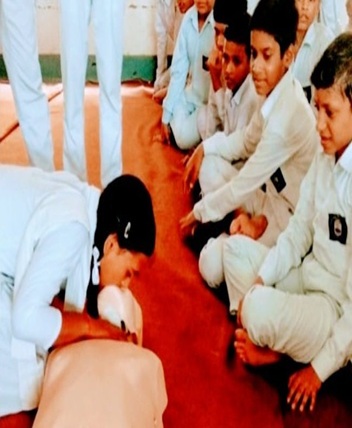
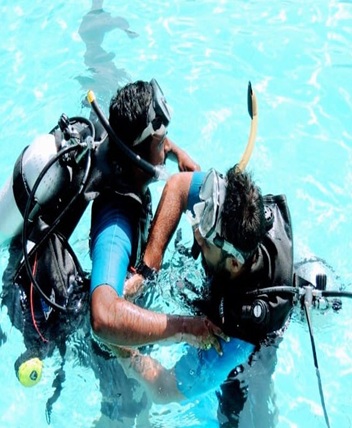
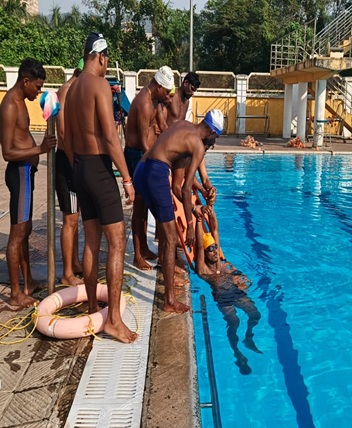
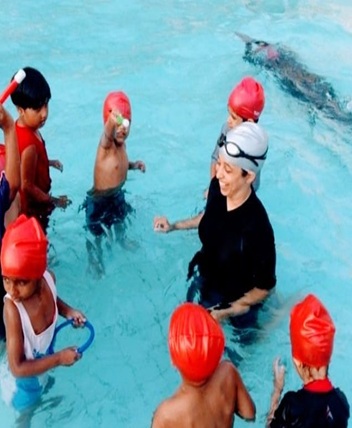
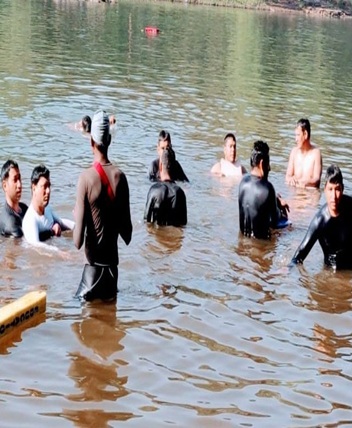
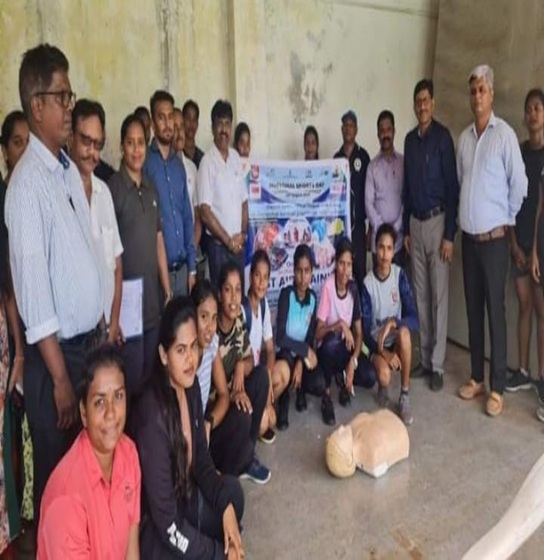
Jal Jeevrakshak Sahakari Sanstha is a premier water safety and lifeguard training organization committed to preventing drowning and promoting aquatic safety across India. We provide internationally accepted training programs in Lifeguarding, CPR, AED, First Aid, Water Rescue, and Emergency Response for individuals, institutions, government bodies, and aquatic facilities.
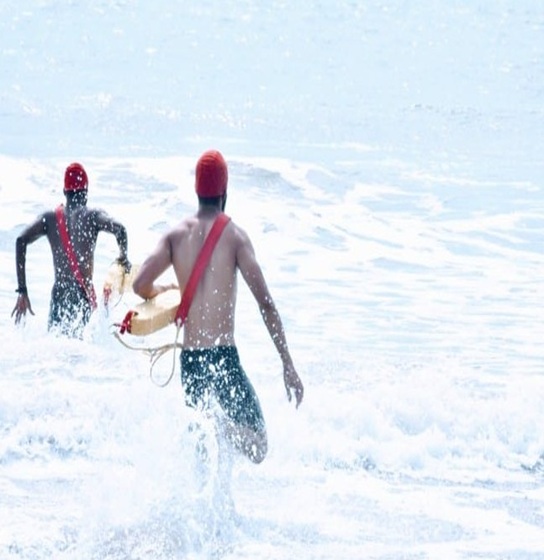
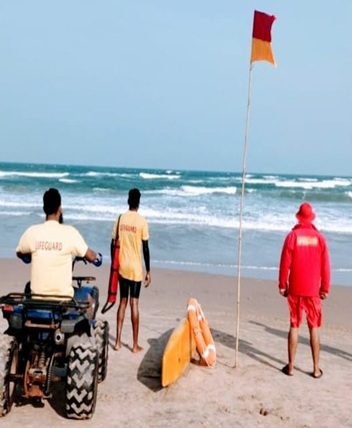
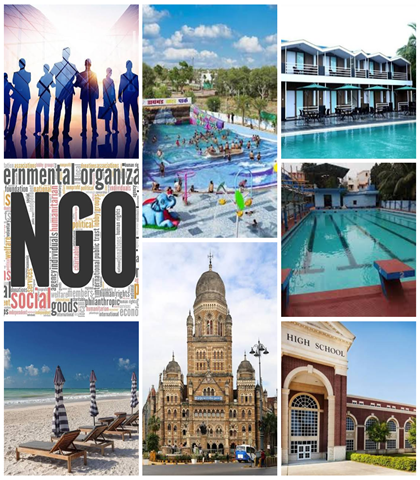
Lifeguarding is a specialized profession dedicated to ensuring the safety of people in and around aquatic environments like pools, beaches, and water parks. Beyond just swimming, a professional lifeguard is trained in proactive prevention, water rescue, and advanced first aid. Lifeguards are trained professionals who ensure safety in aquatic environments by preventing drownings, performing water rescues, and providing first aid/CPR. They use techniques like surveillance and emergency response to manage risks, requiring certifications in pool or open water.